Understanding Metal Roofing: Benefits and Features
Metal roofing has become a popular choice for homeowners across the Greater Toronto Area (GTA) due to its durability, efficiency, and aesthetic appeal. As an investment, it offers long-term advantages over traditional roofing materials, positioning itself as not only a protective barrier but also a sustainable option for modern homes. When exploring options, metal roofing GTA provides comprehensive insights into the various available solutions.
What is Metal Roofing?
Metal roofing refers to a roofing system made from metal pieces or tiles that provide a protective covering for buildings. This type of roofing is known for its longevity and resistance to extreme weather conditions. Common materials used in metal roofing include steel, aluminum, copper, and zinc, each offering unique properties suitable for different climates and aesthetic preferences.
Benefits of Metal Roofing for Homeowners
Choosing metal roofing comes with numerous benefits, making it a favorable option for many homeowners:
- Durability: Metal roofs can last 50 years or more with proper maintenance, far exceeding traditional asphalt shingles.
- Energy Efficiency: Metal roofing reflects solar radiant heat, which can reduce cooling costs by 10-25%.
- Low Maintenance: Metal roofs are resistant to rot, mildew, and insects, reducing the need for frequent repairs and maintenance.
- Eco-Friendly: Many metal roofs are made from recycled materials and are 100% recyclable at the end of their lifespan.
- Variety of Styles: Available in numerous colors and styles, metal roofing can enhance the aesthetic appeal of any home.
Types of Metal Roofing Materials Available
There is a variety of metal roofing materials to choose from, each with its distinct advantages:
- Steel: Known for its strength and affordability, steel is the most common metal roofing material, often coated with a protective layer to prevent rust.
- Aluminum: Lightweight and resistant to corrosion, aluminum is ideal for coastal regions and is often used where weight is a concern.
- Copper: Highly durable and resistant to corrosion, copper develops a green patina over time, adding character and charm.
- Zinc: Similar to copper in durability, zinc roofing can last over 100 years and is often used in environmentally conscious building projects.
Cost Analysis: Metal Roofing vs. Traditional Roofing
Initial Costs of Metal Roofing Installation
The initial cost of installing metal roofing can be higher than that of traditional roofing materials such as asphalt shingles. On average, homeowners might expect to pay between $5.00 and $12.00 per square foot for metal roofing, depending on the material choice and installation complexity. However, it's essential to consider this cost in the context of the roof's lifespan and maintenance requirements.
Long-term Savings and ROI for Metal Roofing
Despite the higher upfront costs, metal roofing can provide significant long-term savings. Homeowners can save on energy bills due to improved energy efficiency. Additionally, the extended lifespan of metal roofing reduces the frequency and costs associated with roof replacements. Studies suggest that homeowners might recoup 85-95% of their investment when selling a home with a metal roof.
Factors Influencing Metal Roofing Costs in the GTA
Several factors affect the overall cost of metal roofing in the Greater Toronto Area:
- Material Selection: Different metals have varying costs, impacting the overall installation price.
- Roof Size and Complexity: Larger and more complex roof designs will require more materials and labor, increasing costs.
- Labor Costs: Hiring a reputable contractor may incur higher labor costs, particularly for specialized installation.
- Local Building Codes: Compliance with regional building codes may necessitate specific materials and installation techniques, influencing costs.
Choosing the Right Metal Roofing Contractor
What to Look for in a Metal Roofing Contractor
Selecting the right contractor is crucial to the success of your metal roofing project. Ensure that the contractor has experience specifically in metal roofing, as the installation techniques differ from those used for traditional roofing materials. Look for contractors who have a robust portfolio of completed projects and positive customer reviews.
Questions to Ask Before Hiring
Before making your final decision, consider asking potential contractors the following questions:
- How long have you been installing metal roofs?
- Can you provide references or photos of previous projects?
- What warranties do you offer on your workmanship and materials?
- Do you have insurance and necessary licenses?
Assessing Contractor Credentials and Experience
It’s essential to verify contractor credentials to ensure they are qualified for the job. Look for certifications from recognized manufacturers, memberships in trade associations, and positive ratings from the Better Business Bureau (BBB). An experienced contractor will also be well-versed in local building codes and regulations, ensuring compliance throughout the project.
Installation Process of Metal Roofing
Step-by-Step Guide to Installing Metal Roofing
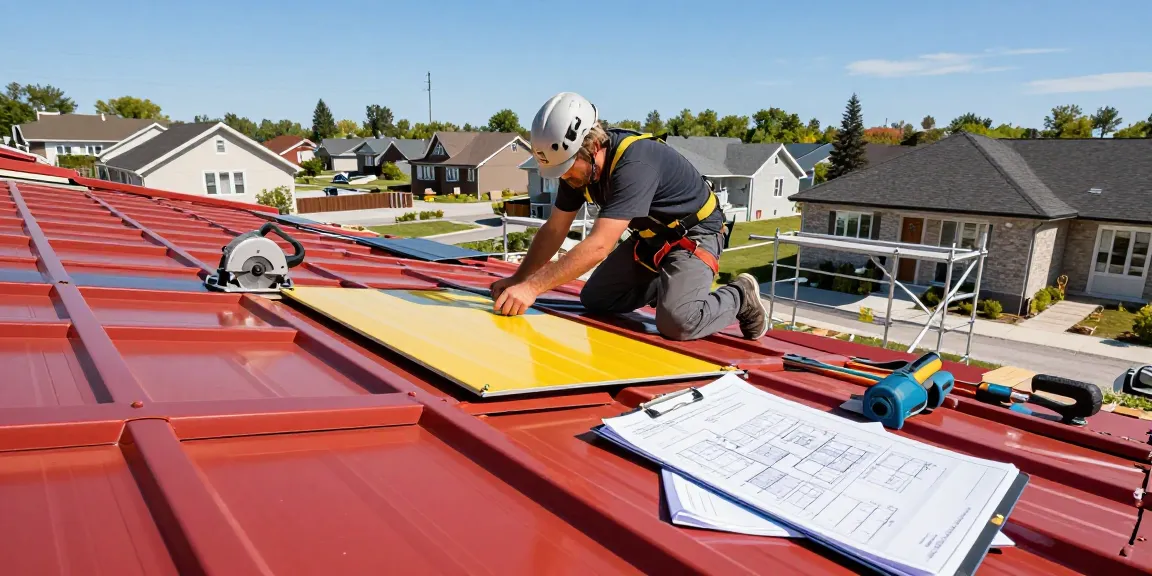
The installation of metal roofing involves several key steps, which may vary depending on the type of metal and roof structure:
- Preparation: Begin by removing any old roofing material and making necessary repairs to the roof deck.
- Inspection: Inspect existing structures for potential issues that could affect the roof's integrity.
- Underlayment Installation: Install a moisture barrier or underlayment to protect against leaks.
- Metal Panel Installation: Start installing the metal panels, ensuring proper alignment and fastening.
- Flashing and Trim: Install flashing around vents, chimneys, and edges to prevent water intrusion.
- Final Inspection: Conduct a thorough inspection to check for proper installation and address any issues before completion.
Common Challenges During Installation
While metal roofing is generally straightforward to install, several challenges may arise:
- Weather Conditions: Rain and extreme temperatures can impact the installation process.
- Material Handling: Metal panels can be heavy and unwieldy, requiring careful handling to avoid damage.
- Roof Design: Complex roof designs may complicate installation, necessitating additional expertise.
Best Practices for Metal Roofing Installation
To ensure a successful installation, consider the following best practices:
- Use high-quality materials, as the longevity of metal roofing is heavily dependent on material quality.
- Follow manufacturer guidelines closely during installation.
- Maintain safety protocols to protect workers during installation.
Future Trends in Metal Roofing for 2026 and Beyond
Emerging Technologies in Metal Roofing
As technology advances, the metal roofing industry is poised to benefit from innovative materials and technologies. This includes the development of lighter, more durable metal composites, which enhance energy efficiency and ease of installation. Additionally, advances in manufacturing are leading to increased customization options for homeowners.
Sustainability and Metal Roofing Innovations
Sustainability is becoming a significant driver in the roofing industry. Metal roofing is inherently more sustainable than many traditional materials due to its recyclability and longevity. Future innovations may include the development of solar-integrated metal roofing solutions, allowing homeowners to harness solar energy more efficiently.
Predictions for the Metal Roofing Market in the GTA
Market analysts expect that the demand for metal roofing in the GTA will continue to grow, driven by increasing awareness of energy efficiency and environmental concerns. As more homeowners seek durable and sustainable options, metal roofing is likely to become the preferred choice for residential and commercial buildings alike.
What Maintenance is Required for Metal Roofing?
Metal roofs require minimal maintenance compared to traditional roofing materials. Regular inspections, ideally twice a year and after severe weather events, can help identify and address potential issues before they escalate. Keeping gutters clear and checking for rust or damage will also help prolong the roof's lifespan.
How Long Can You Expect Metal Roofing to Last?
With proper maintenance, metal roofing can last 40-70 years, depending on the material used and the climate in which it is installed. Regular care ensures longevity and helps avoid costly repairs or replacements.