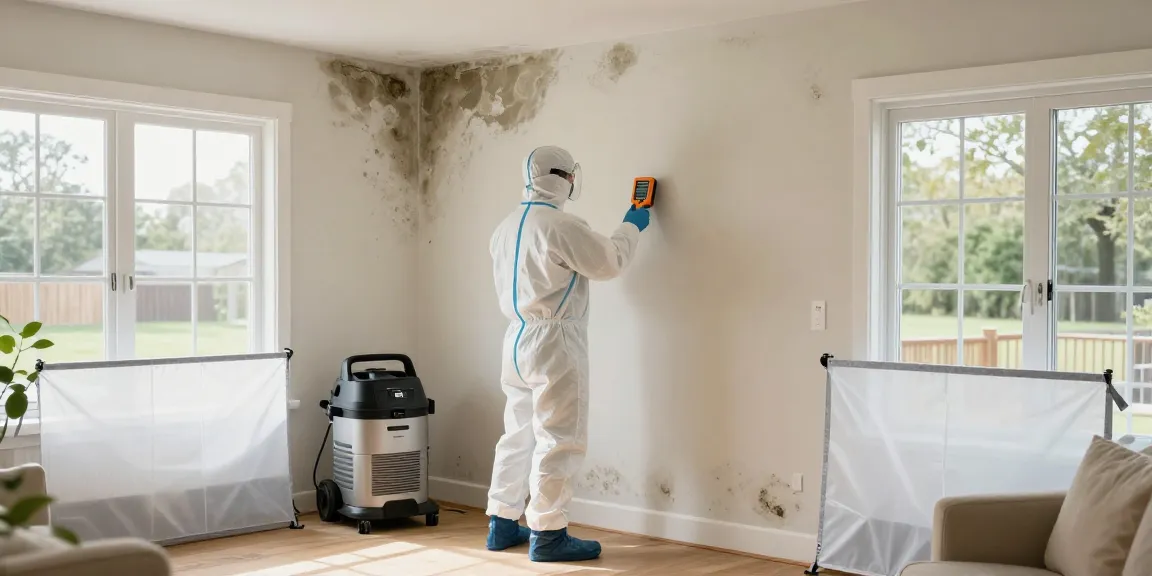
Understanding Mold: Causes and Risks for Homeowners
Mold growth is a prevalent concern for homeowners, especially in humidity-prone areas like North Vancouver. Mold can not only damage the integrity of your home but also pose serious health risks to you and your family. Understanding the underlying causes of mold growth and its potential risks is critical for effective prevention and remediation. When exploring options, Mold Remediation North Vancouver provides comprehensive insights into managing this pressing issue.
What is Mold and Why Does it Matter?
Mold is a type of fungus that thrives in damp, humid environments. It plays a vital role in nature by breaking down organic matter, but when it grows indoors, it can lead to significant problems. Mold reproduces by releasing spores into the air, which can be inhaled or settled on surfaces, leading to health issues and property damage. Understanding mold's biology is crucial for effectively controlling its presence in your home.
Common Causes of Mold Growth in North Vancouver
The favorable climate in North Vancouver, characterized by high humidity levels and frequent rainfall, creates an ideal environment for mold growth. Common causes include:
- Water Leaks: Broken pipes or roof leaks can introduce moisture to areas like basements and attics.
- Condensation: Poor ventilation in bathrooms and kitchens can lead to condensation on cool surfaces.
- Flooding: Heavy rains or snowmelt can result in flooding, creating optimal conditions for mold.
- Poor Drainage: Improper drainage around your property can allow water to pool, increasing moisture levels.
Health Risks Associated with Mold Exposure
Mold exposure can lead to various health problems, particularly for sensitive individuals. Common symptoms include respiratory issues, allergic reactions, skin irritations, and more serious conditions such as asthma exacerbations or lung infections. Understanding these risks underscores the importance of prompt mold remediation to safeguard your home and health.
The Importance of Professional Mold Remediation Services
While some homeowners may consider tackling mold issues on their own, engaging professional remediation services is often essential for effective and safe removal. Mold can be deceptive, hiding behind walls and ceilings, and a lack of proper equipment can lead to ineffective cleaning and the possibility of recurrence.
Why DIY Mold Removal Can Be Dangerous
DIY mold removal can often do more harm than good. Without the right tools and expertise, homeowners may inadvertently spread mold spores to other areas of the home or fail to address the root cause of the problem. Additionally, exposure to mold can pose health risks, making DIY efforts particularly risky.
Benefits of Hiring Certified Mold Remediation Experts
Hiring certified mold remediation experts offers several advantages:
- Comprehensive Inspections: Professionals conduct thorough assessments to identify all areas of mold growth and moisture sources.
- Effective Removal Techniques: Certified technicians utilize industry-standard methods and equipment for safe mold removal.
- Preventative Measures: Experts can recommend solutions to prevent future mold outbreaks.
- Insurance Support: Professional services often include documentation that can help with insurance claims.
Key Services Offered in Mold Remediation North Vancouver
In North Vancouver, mold remediation services typically include:
- Mold Inspection and Testing: Identifying the presence of mold and the extent of the problem.
- Containment Procedures: Preventing the spread of mold spores during removal.
- Professional Removal and Cleanup: Safe removal of mold-infested materials and cleaning of affected areas.
- Restoration Services: Repairing damage caused by mold, such as replacing drywall or flooring.
- Moisture Control Solutions: Addressing the underlying causes of mold growth to prevent recurrence.
Our Step-by-Step Mold Remediation Process
Understanding the mold remediation process is key to ensuring effective treatment. A structured approach mitigates risks and maximizes results.
Initial Inspection and Moisture Assessment
The first step involves a detailed inspection to identify visible mold and assess moisture levels using specialized instruments. Technicians also look for potential water sources, including leaks or inadequate ventilation.
Containment and Removal Techniques
Upon identifying the affected areas, containment procedures are executed. This may involve sealing off rooms with barriers and using negative air pressure to contain spores. Following this, technicians safely remove affected materials, utilizing HEPA filters to capture airborne particles.
Restoration and Prevention Strategies
Once the removal process is complete, restoration work begins. This may include repairing structural damage, painting, and re-installing flooring. Additionally, technicians provide recommendations for improving ventilation and moisture control, essential for preventing future mold growth.
Costs and Considerations for Mold Remediation
Understanding the financial implications of mold remediation helps homeowners prepare for potential expenses. Costs can vary widely based on several factors.
Factors Influencing Mold Remediation Costs
The primary factors influencing mold remediation costs include:
- Extent of Mold Growth: The larger the affected area, the higher the costs.
- Type of Mold: Some types of mold require more extensive removal processes.
- Accessibility: Hard-to-reach areas may increase labor costs.
- Required Repairs: Additional repairs will add to the total expense.
What to Expect from the Pricing Structure
Most remediation companies provide estimates that break down costs into categories such as inspection, remediation, and repair. Homeowners should request a detailed quote outlining all expected expenses.
Insurance Considerations for Mold Claims
Many homeowners’ insurance policies cover mold remediation, though coverage can vary. It's crucial to discuss the situation with your insurance provider and work with certified professionals who can document the damage for claims.
Frequently Asked Questions About Mold Remediation
How long does mold remediation take?
The duration of mold remediation depends on the extent of the infestation and the size of the affected area. Small jobs can take a few hours, while extensive remediation may last several days.
Can mold return after remediation?
Yes, if the underlying causes of moisture are not addressed, mold can return. It’s essential to implement preventative measures following remediation.
What preventive measures can I take for my home?
To prevent mold growth, ensure proper ventilation, fix leaks promptly, and monitor humidity levels within your home.
Is it safe to stay at home during the remediation process?
This depends on the severity of the mold infestation. Often, professionals will advise temporary relocation during heavy remediation activities.
How to choose the best mold remediation service?
Look for companies with certified specialists, positive reviews, experience with insurance claims, and a proven track record of effective mold removal.